


- Discover how to optimize your professional art studio layout for maximum productivity and creativity.
- Learn about the importance of ergonomic furniture in art studios.
- Understand the role of natural light in enhancing artistic workflow.
- Explore storage solutions for art supplies and materials.
- Get tips on designing a functional and inspiring workspace.
Introduction
Optimizing your professional art studio layout for productivity is crucial for taking your art to the next level. A well-designed studio can enhance your creativity, streamline your workflow, and reduce stress. In this article, we will explore the key elements to consider when designing your art studio, from ergonomic furniture to natural light and storage solutions.
As an artist, your studio is your sanctuary, where you spend most of your time creating and expressing yourself. A cluttered and disorganized space can hinder your productivity and creativity, while a well-designed studio can inspire and motivate you to produce your best work. By optimizing your studio layout, you can improve your overall artistic experience and achieve your goals.
The Importance of Ergonomic Furniture in Art Studios
Ergonomic furniture is essential for any art studio, as it can help prevent injuries and discomfort. As an artist, you likely spend long hours sitting or standing, which can lead to back pain, neck strain, and other musculoskeletal problems. Ergonomic furniture, such as adjustable chairs and standing desks, can help alleviate these issues and promote good posture.
When selecting ergonomic furniture for your studio, consider the specific needs of your artistic practice. For example, if you are a painter, you may want a workstation with a built-in palette and storage for your paints and brushes. If you are a sculptor, you may need a sturdy worktable with ample storage for your materials.
The Role of Natural Light in Enhancing Artistic Workflow
Natural light is essential for any art studio, as it can enhance your artistic workflow and improve your overall mood. Natural light can help you see your work more accurately, reducing eye strain and fatigue. It can also inspire creativity and provide a sense of well-being.
When designing your studio, consider the placement of your workstations and easels in relation to natural light sources. North-facing windows are ideal for artists, as they provide soft, indirect light that is easy on the eyes. Avoid placing your workstations near south-facing windows, which can create harsh, direct light.
Storage Solutions for Art Supplies and Materials
Storage solutions are crucial for any art studio, as they can help keep your space organized and clutter-free. Consider investing in shelving units, cabinets, and drawers to store your art supplies and materials. Label each storage unit clearly, so you can easily find what you need.
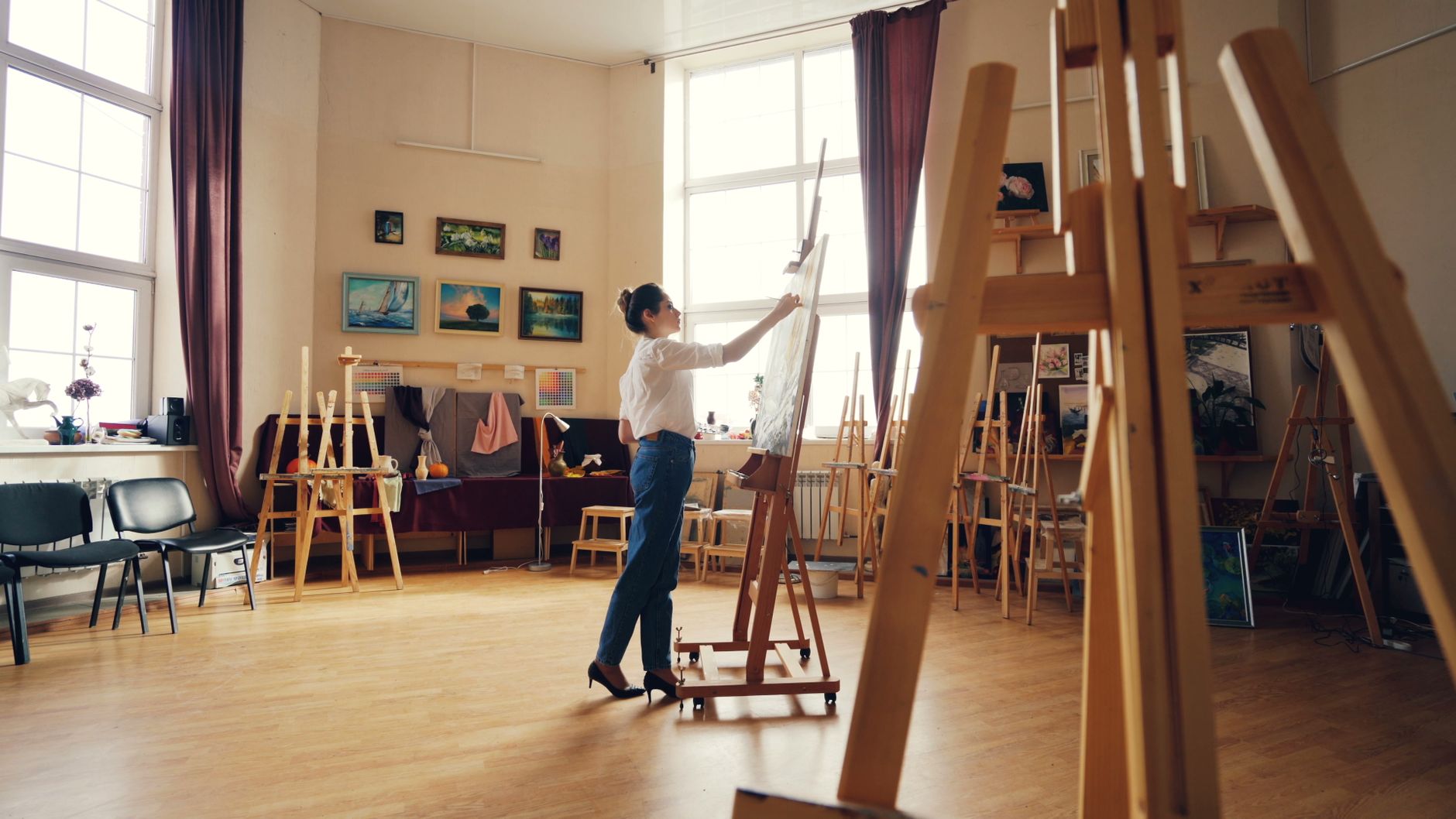
When designing your storage solutions, consider the specific needs of your artistic practice. For example, if you are a painter, you may want to store your paints and brushes in a designated area. If you are a sculptor, you may need to store your materials, such as clay and wire, in a dry and secure location.
Designing a Functional and Inspiring Workspace
A functional and inspiring workspace is essential for any art studio. Consider designing a space that is flexible and adaptable, with movable workstations and easels. This will allow you to easily reconfigure your space as needed and accommodate different artistic projects.
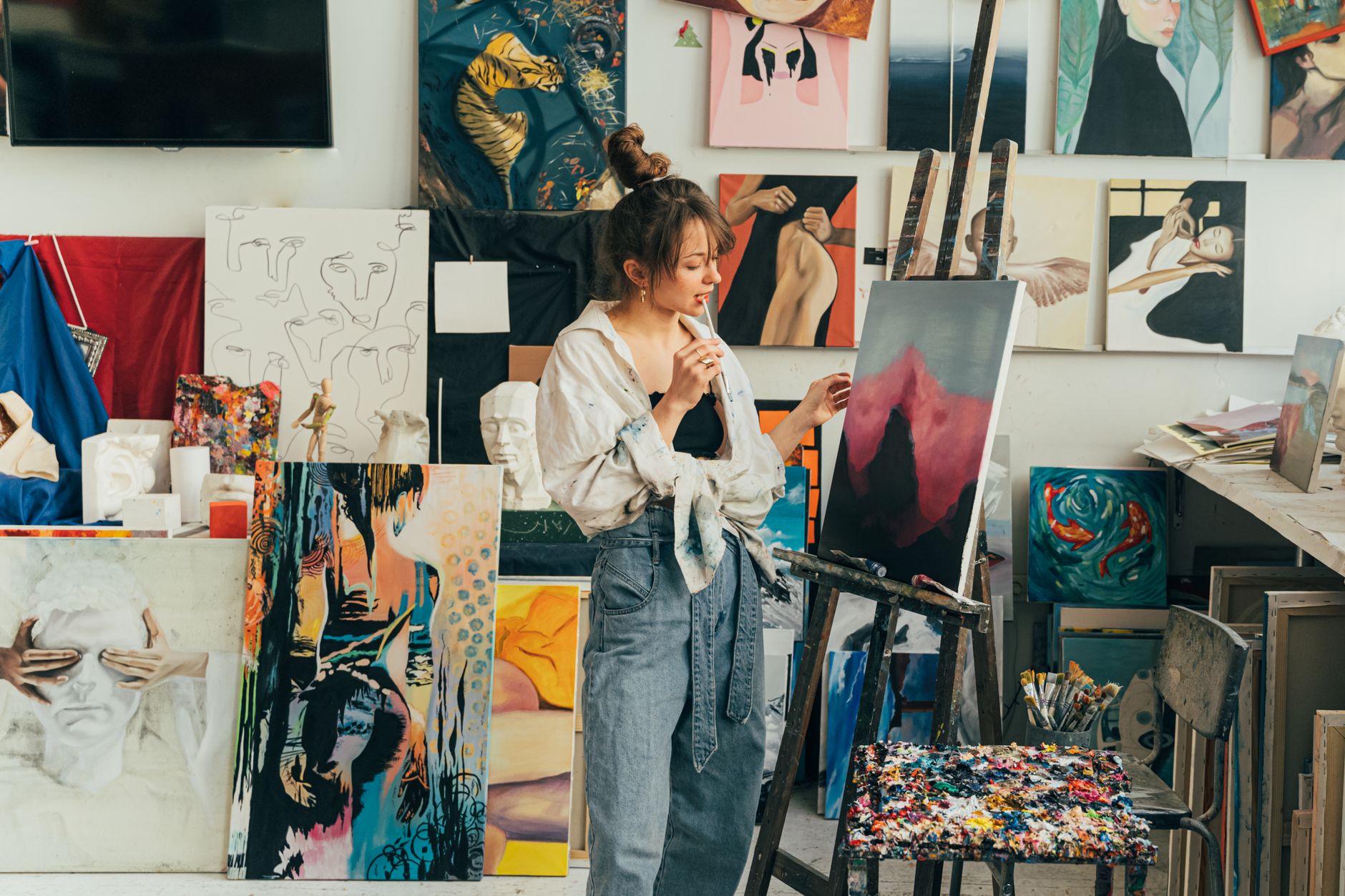
When designing your workspace, also consider the importance of inspiration and motivation. Display your favorite artworks, quotes, and images in your studio to inspire and motivate you. Create a vision board or a inspiration wall to help you stay focused on your artistic goals.
Frequently Asked Questions
Q: What is the ideal size for an art studio?
A: The ideal size for an art studio depends on the specific needs of your artistic practice. However, a general rule of thumb is to have at least 100 square feet of space.
Q: How do I choose the right lighting for my art studio?
A: When choosing lighting for your art studio, consider the type of artistic practice you engage in. For example, if you are a painter, you may want to invest in high-quality task lighting. If you are a sculptor, you may want to consider using LED lighting.
Q: What are some essential tools for an art studio?
A: Some essential tools for an art studio include a worktable, easel, chair, and storage solutions. You may also want to consider investing in specific tools related to your artistic practice, such as a pottery wheel or a kiln.
Q: How do I maintain a clean and organized art studio?
A: To maintain a clean and organized art studio, establish a regular cleaning routine and invest in storage solutions. Label each storage unit clearly, and consider implementing a "one in, one out" policy to prevent clutter from building up.
Q: Can I use a shared art studio?
A: Yes, you can use a shared art studio. Many art studios offer shared space for artists, which can be a great way to network and learn from others. However, consider the pros and cons of shared space, including potential distractions and limited access to resources.
Conclusion
Optimizing your professional art studio layout for productivity is crucial for taking your art to the next level. By considering ergonomic furniture, natural light, storage solutions, and a functional and inspiring workspace, you can create a studio that enhances your creativity and productivity. Remember to stay organized, focused, and motivated, and don't be afraid to experiment and try new things.
Take your art studio to the next level by implementing these expert tips. Share your experiences and tips in the comments below, and don't forget to subscribe to our newsletter for more art-related articles and resources.
